
Strengthening the Network for the Rights of Children with Disabilities (EÇHA): 48-Month Rights-Based Advocacy
How the 48-month EU Delegation-funded initiative coordinated by EMYD strengthened civil-society monitoring and disability-rights advocacy.
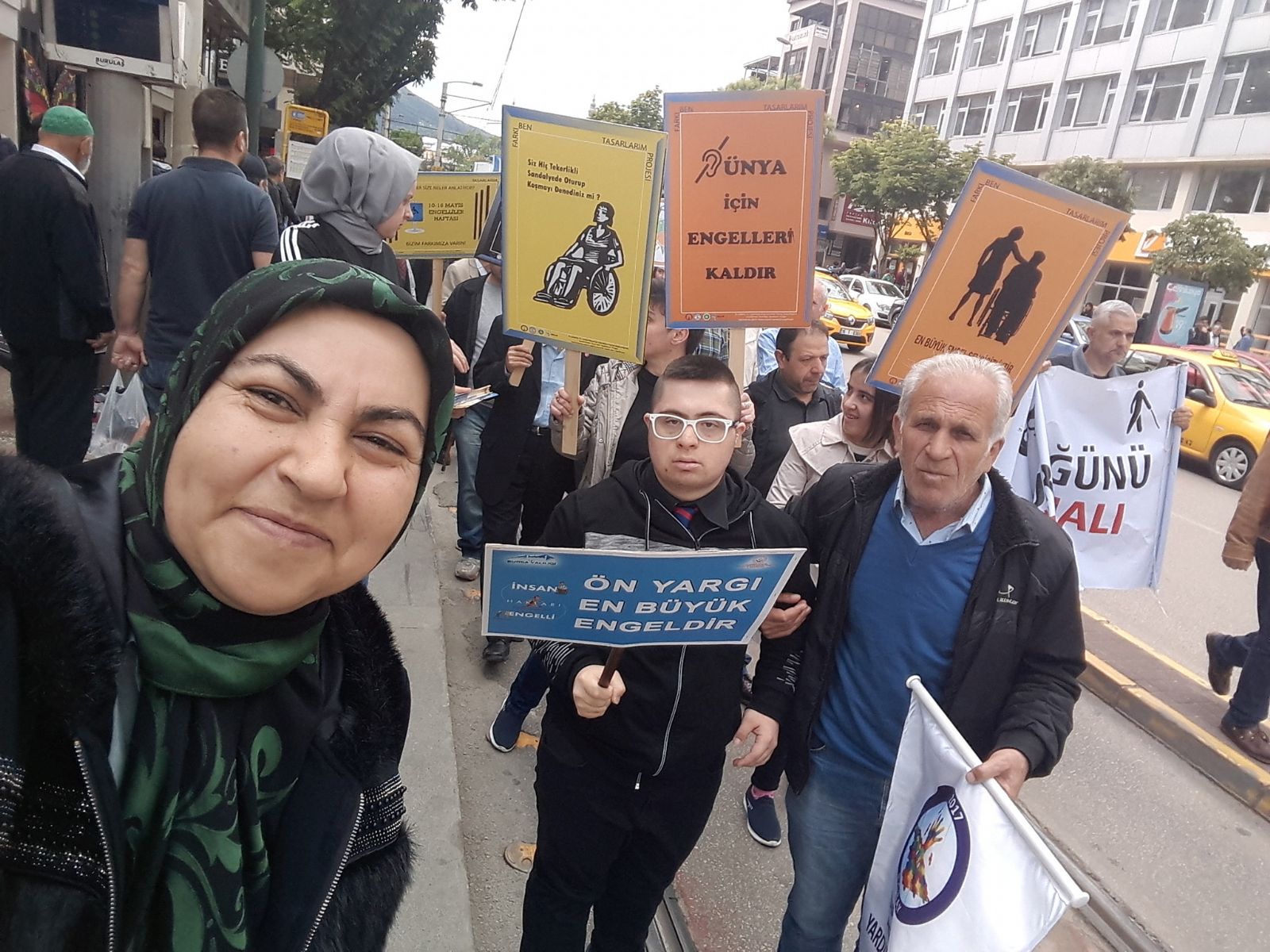
Baseline Institutional Need and Rights-Monitoring Gap
Civil society organisations advocating for the inclusive education, healthcare access, built-environment accessibility and social participation rights of children with disabilities across Türkiye historically operated in fragmented regional silos. Although grassroots associations and parent-led initiatives possessed deep first-hand awareness of everyday institutional barriers faced by children and families, the absence of a shared monitoring methodology limited their capacity to translate local observations into structured national policy input or international treaty-body reporting. Irregular peer exchange between regional disability groups and national child-rights actors further weakened collective advocacy coherence. Establishing an evidence-led coalition became essential to bridge frontline community insight and systemic institutional dialogue.
Intervention Methodology and Core Implementation Activities
Supported through a dedicated European Union Delegation to Türkiye civil-society grant, the intervention replaced charity-oriented framing with a strict rights-based methodology grounded in the UN Convention on the Rights of the Child and the UN Convention on the Rights of Persons with Disabilities. Throughout the multi-year implementation cycle, coalition members co-designed standardised monitoring frameworks, harmonised qualitative evidence-gathering protocols and convened structured thematic working groups. Applied capacity-building clinics equipped regional civil-society practitioners in public-budget literacy, rights-based public communication and constructive policy engagement with ministries, municipal departments, bar associations and independent human-rights bodies.
Roles of Coordinating and Coalition Partner Organisations
Overall grant governance, financial stewardship, accessibility planning and methodological coordination were led by the Association for Barrier-Free and Happy Living (EMYD), ensuring transparent compliance and reliable secretariat support across the national network. Regional disability-rights associations, parent networks, inclusive-education specialists and child-rights advocates contributed actively to thematic monitoring desks, peer consultations and joint policy drafting. Ongoing methodological exchange within the wider Project Factory institutional ecosystem ensured that coalition governance lessons, safeguarding procedures and accessibility standards were systematically codified into transferable capacity-building resources for civil-society teams.
Concrete Policy Outputs and Methodological Assets Produced
The initiative produced structured rights-monitoring indicator matrices spanning inclusive schooling, healthcare, physical and digital accessibility, social protection and child participation, alongside civil-society shadow-reporting guides and thematic policy briefs for public decision-makers. Internal coalition governance charters, rigorous child-safeguarding protocols and accessible meeting standards—covering sign-language provision, captioning and plain-language summaries—were formally documented for shared use across member organisations. These concrete institutional assets transformed dispersed local case observations into coherent, legally anchored documentation suitable for sustained multi-stakeholder policy dialogue.
Documented Implementation Status and Continuation Approach
This impact record documents a completed 48-month European Union Delegation grant implementation cycle delivered in full alignment with contractual, ethical and financial accountability rules. Upholding strict factual discipline, this summary refrains from projecting unverified post-grant statistics and instead highlights verifiable methodological and governance assets established during the funded mandate. Following formal grant closure, the coalition’s monitoring rubrics, child-safeguarding standards and inter-organisational working channels transitioned into ongoing civil-society practice, directly informing subsequent inclusive peer-dialogue grants and WCAG accessibility training delivered across our partner network.
Documented Outputs & Implementation Summary
Verified 48-month EU Delegation grant coordination • Nationwide rights-based CSO monitoring coalition • Structured policy & monitoring documentation